
black round bathroom mirror
Exploring the Utility of Digital Bore Gauge Sets In the realm of precision engineering and manufacturing, the importance of accurate measurements cannot be overstated. Among the myriad tools available for achieving this precision, digital bore gauge sets stand out for their advanced functionality and user-friendly design. These tools are essential for inspecting the inner diameters of holes and cylinders, ensuring that components meet strict quality standards. A digital bore gauge set is primarily composed of a probe, a measuring head, and a digital readout display. The probe is inserted into the bore or hole that requires measurement. As the probe is adjusted, it makes contact with the inner surface, allowing the gauge to precisely determine the dimensions. The digital aspect of the gauge provides instant readings, which enhances the efficiency of measurement processes and minimizes human error that can occur with traditional analog gauges. One of the key advantages of digital bore gauge sets is their ease of use. Unlike traditional mechanical gauges, which often require careful interpretation of measurements, digital gauges present clear, easy-to-read figures on an electronic display . This feature is especially beneficial in environments where time is critical, such as during production runs or quality control assessments. Operators can quickly ascertain information without the risk of misreading dials or scales, allowing for faster decision-making. Another notable benefit is the high level of accuracy offered by digital bore gauges. Most modern sets can achieve tolerances as tight as a few microns, making them suitable for industries where precision is paramount, such as aerospace, automotive, and engineering. Accurate measurements lead to improved quality control, ensuring that parts fit and function as intended, which ultimately enhances the reliability and performance of the final product. digital bore gauge set Digital bore gauge sets are also equipped with various features designed for added convenience. Many models come with data output capabilities, allowing measurements to be exported to computers or other devices for further analysis or record-keeping. This is particularly useful for engineers and quality control specialists who need to maintain detailed logs of measurements for compliance with industry standards. Furthermore, the versatility of digital bore gauge sets cannot be overlooked. They can be used to measure a wide range of diameters, making them suitable for different applications, from small precision parts to larger components. This adaptability makes them an invaluable tool for any workshop or manufacturing facility. Maintenance and calibration of digital bore gauge sets are also straightforward. Regular calibration ensures long-term accuracy, while most digital gauges are designed to withstand the rigors of shop environments. Many models are made with durable materials that resist wear and tear, ensuring they can deliver reliable performance over time. In conclusion, digital bore gauge sets have revolutionized the way precision measurements are taken in various industries. Their combination of ease of use, accuracy, versatility, and advanced features positions them as essential tools for anyone involved in manufacturing and quality control. As technology continues to advance, these tools will likely evolve further, incorporating new functionalities that enhance their performance and user experience. For professionals seeking to optimize their measurement processes, investing in a digital bore gauge set is a decision that can lead to significant gains in both productivity and quality assurance.
about
black round bathroom mirror
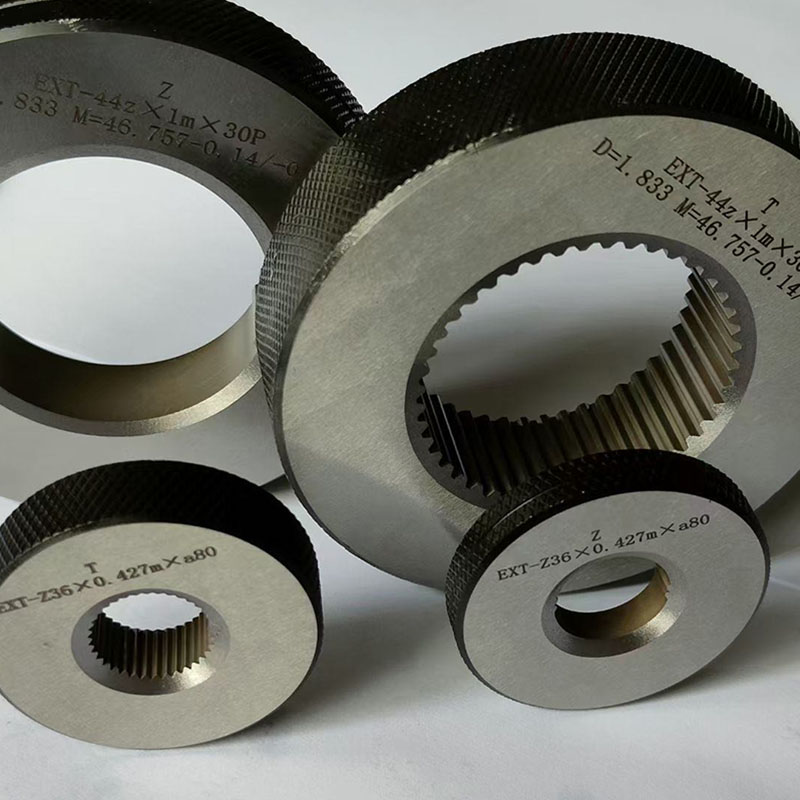
The aerospace industry demands unparalleled precision in component manufacturing and inspection. Threaded fasteners, critical to structural integrity, require rigorous verification to ensure compliance with stringent safety and performance standards. Thread gauge types play a pivotal role in this process, enabling engineers to validate thread dimensions, pitch, and form. This article explores the key thread gauge types used in aerospace inspections, focusing on thread plug gauges , screw thread gauges , and standard thread gauges , while addressing common questions about their application. Understanding Thread Gauge Types for Precision Aerospace Inspections Thread gauge types are specialized tools designed to measure the geometric accuracy of threaded components. In aerospace, where tolerances are measured in microns, selecting the right gauge type is non-negotiable. The primary categories include thread plug gauges , screw thread gauges , and standard thread gauges , each serving distinct purposes. Aerospace components often use threads subjected to extreme temperatures, vibrations, and loads. For example, engine mounts, landing gear, and fuselage assemblies rely on threads that must withstand cyclic stress without failure. Thread gauge types ensure these threads conform to specifications outlined by standards such as ASME B1.1, ISO 1502, and NASM 1312. Go/no-go gauges, a subset of thread plug gauges , are particularly vital for rapid pass/fail assessments in high-volume production environments. Manufacturers prioritize gauges made from hardened steel or carbide for durability, as repeated use in aerospace inspections can wear down softer materials. Additionally, temperature-stable coatings are applied to minimize thermal expansion effects during measurements. The Critical Role of Thread Plug Gauges in Aerospace Quality Control Thread plug gauges are cylindrical tools used to inspect internal threads, such as those in nuts or threaded holes. Their design includes a “go” end, which must smoothly enter the thread, and a “no-go” end, which should not advance beyond a specified depth. This binary verification ensures threads meet both dimensional and functional requirements. In aerospace applications, thread plug gauges are tailored to specific thread standards. For instance, Unified National Fine (UNF) threads, common in aircraft assemblies, require gauges with precise pitch diameters. Customized thread plug gauges may also feature extended handles or ergonomic grips to facilitate inspections in hard-to-reach areas, such as turbine blade assemblies. High-volume aerospace manufacturers often use automated systems integrated with thread plug gauges to streamline inspections. These systems reduce human error and increase throughput while maintaining compliance with regulatory frameworks like FAA Part 21 and EASA CS-25. Screw Thread Gauges: Ensuring Compatibility and Performance Screw thread gauges are designed to evaluate external threads on bolts, studs, and screws. Unlike thread plug gauges , these tools typically resemble rings or calipers that encircle the threaded component. The “go” ring must spin freely along the thread’s length, while the “no-go” ring should resist movement after a predetermined number of turns. Aerospace screw thread gauges must account for unique material behaviors. Titanium alloys, widely used for their strength-to-weight ratio, exhibit slight elasticity under load. Gauges used for titanium fasteners are calibrated to accommodate this property, ensuring threads remain within tolerance even under operational stress. Additionally, screw thread gauges for aerospace applications often incorporate anti-seize coatings to prevent galling during inspections. This is critical when dealing with materials like stainless steel or Inconel, which are prone to adhesion under friction. Standard Thread Gauges: Aligning with Global Aerospace Specifications Standard thread gauges refer to tools calibrated to internationally recognized thread profiles, such as Metric, Unified, or Whitworth. In aerospace, harmonizing inspections with global standards is essential, as components may be manufactured in one country and assembled in another. For example, Airbus and Boeing suppliers must adhere to both ISO and ASME standards. Standard thread gauges certified by NIST (National Institute of Standards and Technology) or equivalent bodies ensure cross-compatibility. These gauges are often accompanied by traceable calibration certificates, a requirement for audits and regulatory submissions. Aerospace manufacturers also leverage standard thread gauges for reverse engineering legacy components. When replacing obsolete fasteners in older aircraft, engineers use these gauges to replicate thread dimensions accurately, ensuring retrofitted parts maintain original performance characteristics. FAQs About Thread Gauge Types in Aerospace What are the primary applications of thread plug gauges in aerospace? Thread plug gauges are used to inspect internal threads in components like engine mounts, hydraulic fittings, and avionics housings. They verify thread acceptance per design specifications, ensuring proper fastener engagement. How do screw thread gauges differ from thread plug gauges? Screw thread gauges evaluate external threads on bolts or screws, while thread plug gauges assess internal threads. The former uses ring or caliper-style tools, whereas the latter employs cylindrical go/no-go ends. Why are standard thread gauges critical for international aerospace projects? Standard thread gauges ensure compliance with global thread standards (e.g., ISO, ASME), enabling seamless collaboration between international suppliers and manufacturers. They eliminate discrepancies in thread compatibility. Can thread gauge types be customized for unique aerospace components? Yes. Manufacturers offer custom thread gauge types tailored to non-standard thread profiles or specialized materials, such as composites or high-temperature alloys. How often should thread plug gauges be calibrated in aerospace settings? Calibration intervals depend on usage frequency and material hardness. For high-volume aerospace production, thread plug gauges are typically recalibrated every 500–1,000 cycles or quarterly, whichever comes first. Selecting the appropriate thread gauge types is a cornerstone of aerospace quality assurance. Thread plug gauges , screw thread gauges , and standard thread gauges each address specific inspection needs, ensuring threads meet exacting standards for safety and performance. By adhering to global specifications and leveraging advanced materials, aerospace manufacturers can maintain the reliability required for critical applications. As the industry evolves, innovations in gauge design and automation will further enhance precision and efficiency in component inspections.
-

High quality industrial productsagement

High quality industrial products
View Details -

Meet the diverse needs of customers

Meet the diverse needs of customers
View Details -

Strict quality control

Strict quality control
View Details -

Top raw materials

Top raw materials
View Details -

Trusted supplier

Trusted supplier
View Details
Our application

news and information
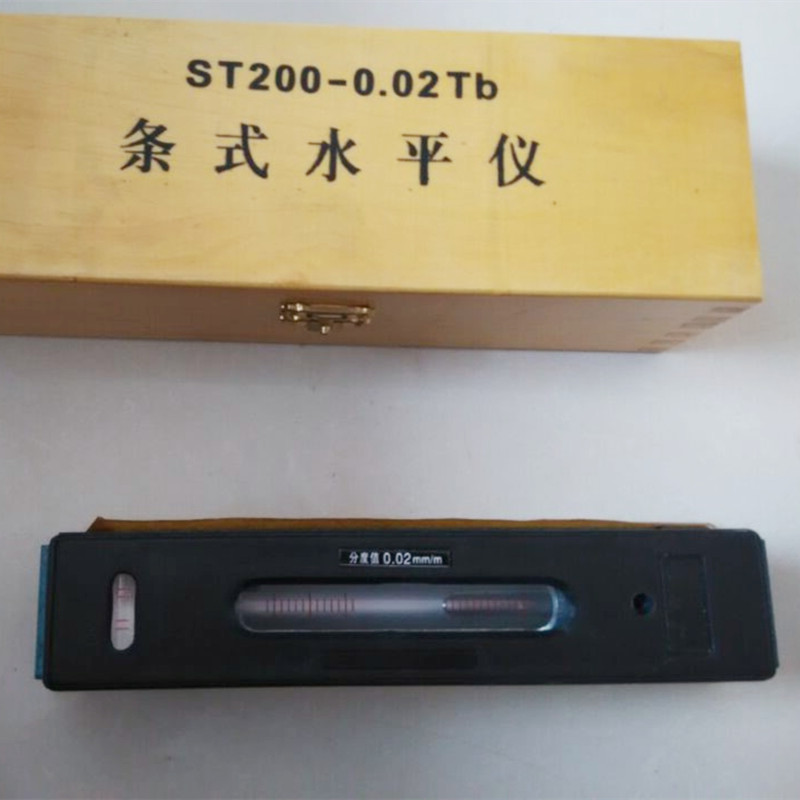
water valve replacement
Water Valve Replacement Ensuring Optimal Performance in Your Plumbing System Water valves play a cri
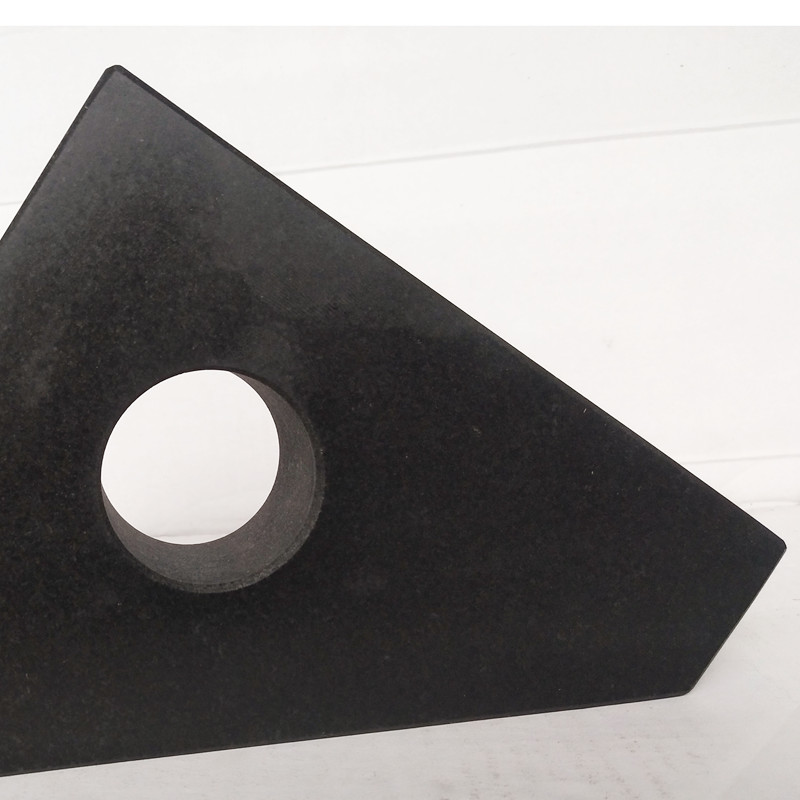
Using a Right Angle Ruler for Accurate Measure and Design in Everyday Projects
The Versatility of the Ruler with Right Angle A Tool of Precision and Creativity The ruler with a ri

Water Flow Control Valve for Efficient Shut-off Solutions
Understanding Water Shut-off Valves A Guide Water shut-off valves are an essential component in plum
 English